
Fiberglass vs Concrete vs Vinyl Pools in Ontario
Fiberglass vs concrete pool vs vinyl liner in Ontario: how each handles winters, design freedom, upkeep and long-term costs. Compare the three before you build.
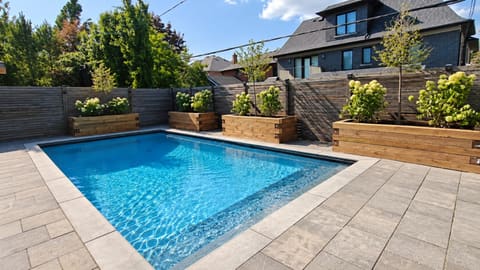
Fiberglass vs concrete pool is usually the first question homeowners ask once they decide to put a pool in, and in Ontario the answer has to account for a long winter, freeze-thaw cycles and often a tight city lot. Vinyl-lined pools are the third common option. This guide compares all three on design freedom, installation, winter behaviour, upkeep and the costs that show up over time, so you can decide which suits your yard. (You will also see fiberglass spelled "fibreglass" in Canada.)
For how we plan the whole pool environment (coping, pool deck, fencing and landscaping around the water), see our pools and pool landscapes page. The comparison below is general. The right choice depends on your lot, access, budget and how you want the yard to look.
The three pool types at a glance
- Concrete pools are formed and built on site, usually with sprayed concrete over a steel-reinforced shell, then finished with plaster, aggregate or tile. They can be almost any shape, size or depth.
- Fiberglass pools are a one-piece shell made in a factory, delivered by truck and set into a prepared excavation. Shapes and sizes come from the manufacturer's range.
- Vinyl-lined pools use a structural wall system with a custom-fitted vinyl liner as the waterproof surface. Shapes are flexible within what the wall system and liner allow.
Fiberglass vs concrete pool: design and fit
Concrete gives the most design freedom. Custom shapes, integrated spas, sun shelves, vanishing edges and built-in benches can all be formed to suit the lot. It also integrates most naturally with custom stone coping and surrounding stonework, which matters if the pool is meant to read as part of a designed backyard.
Fiberglass is limited to the shells a manufacturer produces, and because each shell travels by road in one piece, there are practical limits on width and length. Access matters too: the shell has to be lifted into place, so a narrow side yard, overhead wires or mature trees can rule out certain shells or call for a crane.
Vinyl sits between the two. Wall systems and custom liners allow many shapes, though very complex forms and some features are easier in concrete.
How each type handles an Ontario winter
All three are built and used in Ontario, and all three need proper closing at the end of the season. The differences are in how the surface and structure respond to cold and ground movement.
- Concrete is rigid and durable when designed and built properly. Its interior finish will need resurfacing at some point in its life, and repairs are usually localized.
- Fiberglass shells are flexible and non-porous. They rely on correct installation, backfill and drainage around the shell, because ground water and soil pressure act on the shell itself.
- Vinyl liners are flexible, but they can be damaged by sharp objects and by water levels that drop too low in winter. Liners are replaced periodically as they age.
For any type, ground water conditions, soil and drainage on your lot affect how the pool should be designed and closed for winter. Follow the manufacturer's and installer's closing instructions, and do not drain an inground pool without advice, since ground water can push on an empty shell.
Vinyl liner vs fiberglass pool: upkeep and surfaces
- Surface feel. Fiberglass has a smooth gel-coat finish. Vinyl is soft underfoot. Concrete finishes range from smooth plaster to textured aggregate and tile.
- Algae and chemistry. Fiberglass's non-porous surface generally resists algae well. Concrete's porous finish typically needs more brushing and attention to water balance. Vinyl sits in between.
- Planned replacement. Vinyl liners are replaced over the life of the pool. Concrete finishes are resurfaced. A well-maintained fiberglass gel coat may eventually need refinishing.
These are general characteristics, not performance claims for any specific product. Ask for the manufacturer's care guide and warranty terms in writing for the shell, liner or finish you choose.
Cost: upfront and over time
Upfront, vinyl is typically the lowest of the three, and concrete typically the highest, with fiberglass often in between. But the pool type is only one line in a pool project. Excavation and soil removal, access, the enclosure, coping, the pool deck, equipment, lighting, landscaping and permits often make up as much of the budget as the pool itself.
Over time, budget for the maintenance each type needs: liner replacement for vinyl, resurfacing for concrete, and chemicals, energy and seasonal opening and closing for all three.
We don't publish per-pool prices. Full outdoor projects with us usually start the conversation in one of four budget bands: $25–50k, $50–100k, $100–200k and $200k+. For a full breakdown of what drives the number, see our inground pool cost guide.
Concrete pool vs fiberglass in Canada: installation
Fiberglass installation is typically the fastest once the shell is on site, because the shell arrives finished. The excavation, base, plumbing, backfill and the surrounding deck still take time.
Concrete takes the longest. The shell is formed, reinforced, sprayed and cured on site before the finish goes on, and weather can affect the schedule.
Vinyl installation involves building the wall system and floor, then fitting the liner, and usually falls between the two.
On our projects, the pool itself is built by our licensed partner subcontractors, and we design and build everything around it as one project: the coping, pool deck, fencing, cabana, lighting and planting. Mako doesn't personally hold pool, gas or electrical licences; that work is done by our licensed partner subcontractors.
Permits and rules that apply to every pool type
The pool type doesn't change the rules. In Toronto:
- Enclosure permit before you dig. Toronto Municipal Code Chapter 447 states that no person shall excavate for or erect a swimming pool without first obtaining a permit for a swimming pool enclosure for the proposed pool.
- What counts as a pool. Chapter 447 defines a swimming pool as any outdoor structure on private property that can be used for swimming, wading or bathing and where the water depth at any point can exceed 600 mm.
- Non-climbable enclosure. The by-law defines a non-climbable face as a 1.2 m vertical face presented to the outside of the enclosure, with limits on openings and footholds.
- Zoning setbacks. Toronto's Zoning By-law 569-2013 sets minimum rear and side yard setbacks for outdoor swimming pools. For most houses, the side yard setback is the greater of 1.2 m or the setback otherwise required.
- Locates. Ontario Dig Authority says you must request a public utility locate before you dig, at least 5 business days ahead for a single-address project. Private lines, such as gas to a pool heater, may need a private locate.
Other GTA municipalities, such as Vaughan, Markham and Richmond Hill, have their own pool rules. Our Toronto pool fence rules guide covers the enclosure in detail.
Which is the best inground pool type for Ontario?
There is no single best inground pool type for Ontario. All three work here when properly designed, installed and closed each fall. A simple way to decide:
Concrete tends to suit you if:
- you want a custom shape, integrated spa or architectural features;
- the pool is the centrepiece of a designed backyard with custom stone coping;
- you have the budget and timeline for a longer build.
Fiberglass tends to suit you if:
- a manufacturer's shell fits your layout;
- the site has access for delivering and lifting a one-piece shell;
- you want a smooth, low-porosity surface and a faster install.
Vinyl tends to suit you if:
- keeping upfront cost down is a priority;
- you want a flexible shape without a full custom concrete build;
- you are comfortable planning for liner replacement over time.
We recommend fiberglass pools for most Toronto backyards. A manufacturer's shell fits many city layouts, the smooth, non-porous surface is easy to look after, and installation is typically faster once the shell is on site. A site visit confirms whether a shell can be delivered and lifted into your yard, and whether one of the available sizes suits your layout.
Frequently asked questions
Is fiberglass or concrete better for Ontario winters?
Both work in Ontario when they are designed, installed and closed properly. Concrete is rigid and long-lived but needs periodic resurfacing. Fiberglass is non-porous and flexible but depends on good backfill and drainage around the shell. Ground water, soil and access on your lot often matter more than the material.
Which pool type costs the least?
Upfront, a vinyl-lined pool is typically the lowest and concrete typically the highest. Over the years, though, vinyl liners are replaced and concrete finishes are resurfaced. The pool shell is also only one part of the total, alongside excavation, the enclosure, decking, equipment and landscaping.
Can a fiberglass pool fit in a small Toronto backyard?
Sometimes. Fiberglass shells come in set sizes, and each one has to be delivered and lifted into place, so access through or over the property matters. A narrow side yard, wires or trees can rule out some shells. A site visit is the way to find out what fits.
Do I need a permit for an inground pool in Toronto?
Yes. Under Chapter 447 of the Toronto Municipal Code, you need a swimming pool enclosure permit before you excavate for or erect the pool. Zoning setbacks also apply. Other municipalities, including Vaughan, Markham and Richmond Hill, have their own rules, so check with the city where you live.
Planning a pool?
If you are weighing a fiberglass vs concrete pool, or vinyl, for a Toronto or GTA backyard, contact us and tell us about your yard, the access, and your budget band. We will walk you through the options and how the pool fits with the rest of the backyard.
Sources
- toronto.ca/legdocs/municode/1184_447.pdf
- toronto.ca/zoning/bylaw_amendments/ZBL_NewProvision_Chapter10_5.htm
- ontariodigauthority.ca/locates-overview/
This guide is general information, not legal or engineering advice. Rules and fees change; confirm requirements for your property with your municipality.

About the author
Stephan Tosevski
Stephan Tosevski leads Mako Construction. Mako Construction has built high-end outdoor living spaces across Toronto & the GTA since 2016 — decks, cabanas, pergolas, landscaping, pools, outdoor kitchens, and hot tub and swim spa installations. Fully insured, with permit-ready projects and professional site management from consultation to turnover.
Related guides
Guide
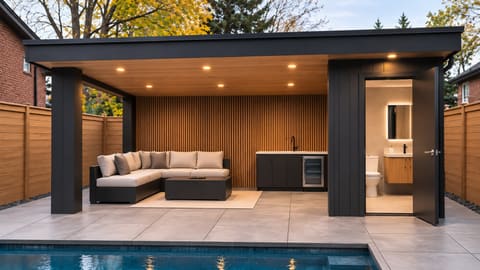
Pool House With a Bathroom: Plumbing, Permits and Layout
Planning a pool house with a bathroom in Toronto? See how plumbing triggers a permit, what zoning allows, and how to lay out the washroom. Read first.
Guide
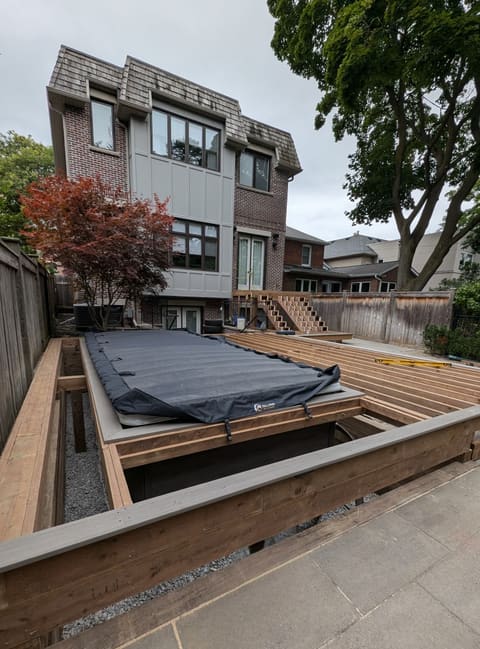
Best Time of Year to Build a Deck or Pool in Ontario
The best time of year to build a pool in Ontario: how winter planning, spring starts, fill rules and booking lead times shape your pool and deck schedule.
Guide
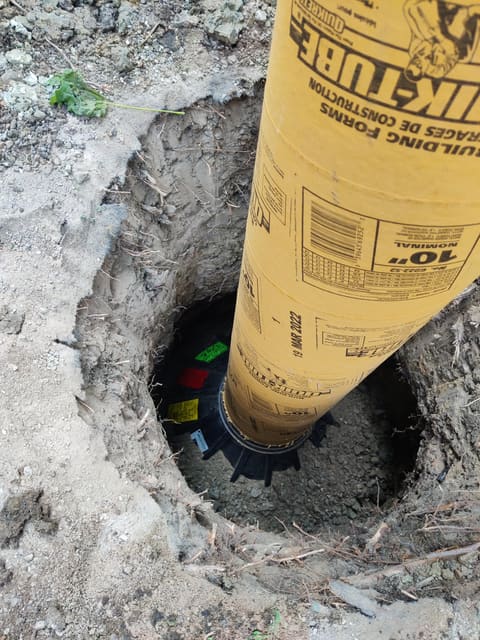
Call Before You Dig in Ontario: Locates for Backyard Projects
Call before you dig in Ontario: how Ontario One Call (Ontario Dig Authority) locates work, what private lines they miss, and how to plan. Read the guide.
Guide
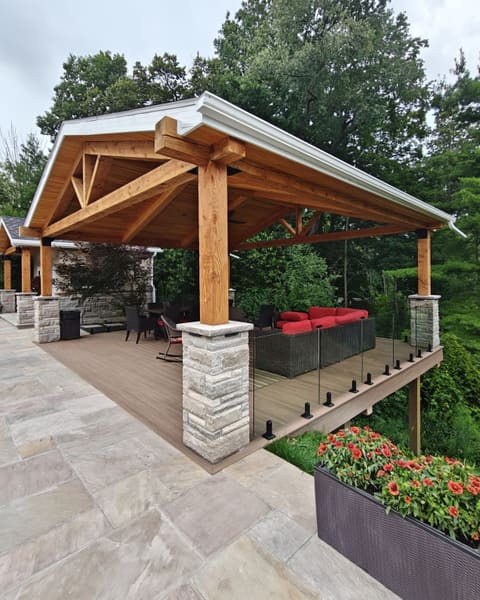
Cabana Ideas for Pools: Layouts for Changing, Storage, Bar and Lounge
Cabana ideas for pools: layouts for changing, storage, a bar and a lounge, plus the planning points that shape a modern pool cabana design.
See also our Pools service.