
Inground Pool Cost in Toronto: A Full-Backyard Budget Breakdown
The real cost of an inground pool in Toronto includes far more than the pool: permits, enclosure, excavation, grading, patio, coping, landscaping and lighting.
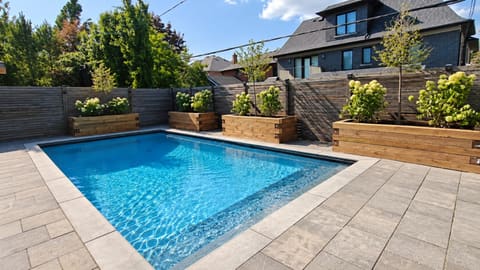
When people price a pool, they usually price the pool. The number that matters is the finished backyard: the pool plus the enclosure, patio, coping, grading, planting, lighting and everything else that makes it usable and beautiful. In our experience the surroundings are where budgets surprise people most. This guide breaks the whole project into its parts so you can plan for all of it.
See our pools page for how we approach pool builds and pool landscapes.
Budget overview
Pool projects are where budgets vary most, because the pool itself is only one line. We don't publish per-component prices; our quote form uses full-project budget bands of Under $25k, $25–50k, $50–100k, $100–200k, $200k+, and Not sure yet / need guidance. Mako delivers pool builds and pool landscaping; the pool itself is built by our licensed pool partners. A complete pool budget is made up of:
- Pool — Shell (concrete, vinyl or fibreglass), equipment, plumbing
- Permits, design and engineering — Enclosure permit, zoning, grading plans, drawings
- Excavation and soil — Digging, haul-away, access
- Coping and pool deck — Stone or porcelain coping, surrounding patio
- Enclosure and gates — Glass, aluminum or wood fencing to code
- Landscaping — Grading, drainage, planting, lawn repair
- Lighting and electrical — Pool lights, landscape lighting, equipment power
- Extras — Cabana, outdoor kitchen, water features, heater, automation
The pool itself
Concrete pools allow any shape and size and integrate best with custom coping and stonework. Vinyl-lined pools cost less upfront, with liners replaced periodically. Fibreglass shells install quickly in set shapes and sizes, subject to delivery access. Size, depth, steps and benches, a spa, and automatic covers all move the number.
Equipment
Pumps, filters, heaters or heat pumps, sanitation systems, lighting and automation. Energy-efficient equipment costs more upfront and less to run. Equipment placement also needs planning: Toronto's pool zoning certificate asks for the location of pool equipment and distances to lot lines.
Permits and approvals
In Toronto you need a pool enclosure permit before excavating, and the application requires a Zoning Certificate and zoning-approved site plans (Chapter 447). Zoning limits the pool's water surface to 15% of the lot area (Zoning By-law 569-2013, Chapter 10.5). Other municipalities add steps: Richmond Hill, for example, requires a combined pool enclosure and site alteration permit with an engineer- or surveyor-prepared grading plan and a refundable security deposit (City of Richmond Hill). See our guides to pool fence rules in Toronto and the Richmond Hill pool permit.
Excavation and access
Digging a pool produces a lot of soil. Haul-away, machine access through the side yard, and any rock or groundwater all affect cost. Narrow access can mean smaller machines and more days. A free utility locate through Ontario Dig Authority is required before digging, and private lines (gas to a heater, power to lights) need a private locator.
Trees
Many Toronto pool yards have mature trees. Excavation inside the protection zone of a private tree 30 cm or more in diameter requires a permit, and the building permit does not cover it (City of Toronto). Tree protection can change the pool's position — better to know at concept stage.
Coping and the pool deck
This is where a pool starts to look high-end — and a major part of the budget. Natural stone or porcelain coping, a generous deck in large-format pavers, and clean transitions to steps and lawn. Our service list calls it "Integrated hardscape & coping": designed with the pool, not added after. See large-format pavers vs interlock.
The enclosure
Every pool needs a code-compliant enclosure — in Toronto at least 1.2 m high on a single residential property, at least 1.2 m from the water's edge, non-climbable on the outside, with self-closing, self-latching gates. Glass costs more than aluminum but keeps views open. Temporary fencing is required during construction. See modern privacy fences for how the enclosure and privacy fencing work together.
Grading, drainage and landscaping
A pool changes how water moves across a lot. Proper grading and drainage, planting, sod repair and irrigation finish the yard. In some municipalities, grading plans are part of the pool permit.
Lighting
Pool lights, step lights, landscape lighting and fence lighting make the yard usable at night. Planned conduit during construction costs far less than retrofitting.
Extras that change the budget
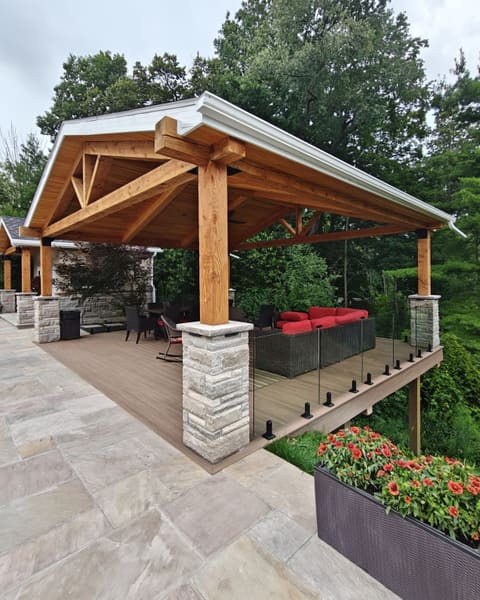
Cabanas and pool houses (see pool cabana cost in the GTA), outdoor kitchens, fire features, water features, hot tubs and automatic covers. Designing them with the pool shares excavation, trenching and permits.
Timeline
Design and approvals often take longer than construction. Starting design in fall or winter puts you in a position to build when the season opens.
Where to spend and where to save
Spend on what is hard to change later. Excavation, the pool structure, plumbing, drainage, the base under the pool deck and conduit for lighting are all buried once the yard is finished. Upgrading them later means tearing out new stone. Coping and the main pool deck are also worth doing properly the first time: they frame the water, take the most wear, and are what people see.
Save on what can be added later. Some landscape lighting, outdoor furniture, accent planting, a second fire feature, or an outdoor kitchen can follow in a later phase — as long as the gas, power and water lines are roughed in during the main build.
Be careful with size. A bigger pool costs more to build, heat, cover and maintain, and on a city lot it competes with lounge space. A well-proportioned pool with generous decking often feels more luxurious than a larger pool with a narrow edge.
Running costs to plan for
The purchase price is only part of owning a pool. Budget for heating (a heater or heat pump), electricity for pumps and lights, water, chemicals or sanitation supplies, opening and closing each season, a safety or automatic cover, and periodic replacement of equipment and, for vinyl pools, liners. Energy-efficient pumps and good covers reduce running costs.
Questions to ask before you sign
- Who builds the pool shell, and who builds everything around it? On our projects, the pool is built by our licensed partner subcontractors and we build everything around it. Mako doesn't personally hold pool, gas or electrical licences.
- Which permits are included, and who prepares the drawings and grading plan?
- Is the enclosure included, and what material?
- How is soil removal priced, and what happens if rock or water is found?
- What coping and deck materials are specified, and over what base?
- Is lighting and conduit included?
- What is the schedule from permit to first swim?
- What warranties cover the pool, equipment and workmanship?
Frequently asked questions
How much does an inground pool cost in Toronto? Including the full backyard around it, the total depends heavily on pool type, size, hardscape and extras. Our quote form groups complete projects into budget bands from Under $25k to $200k+, including Not sure yet / need guidance.
What costs do people forget? Enclosure, grading and drainage, haul-away, lighting, landscaping repair and permits.
Concrete, vinyl or fibreglass? Concrete for full customization and integration with stonework; vinyl for lower upfront cost; fibreglass for speed in standard shapes.
Do I need a permit for a pool in Toronto? Yes — a pool enclosure permit before excavation, with a Zoning Certificate.
How big can my pool be? In Toronto, the water surface may not exceed 15% of the lot area under the city-wide zoning by-law, plus setbacks.
Planning a pool?
See our pools page, browse our work, or request a quote.
Sources
- toronto.ca/legdocs/municode/1184_447.pdf
- toronto.ca/zoning/bylaw_amendments/ZBL_NewProvision_Chapter10_5.htm
- ontariodigauthority.ca/locates-overview/
- toronto.ca/services-payments/building-construction/tree-ravine-protection-permit...
- richmondhill.ca/en/living-here/swimming-pool-site-alteration-permit.aspx
This guide is general information, not legal or engineering advice. Rules and fees change; confirm requirements for your property with your municipality.

About the author
Stephan Tosevski
Stephan Tosevski leads Mako Construction. Mako Construction has built high-end outdoor living spaces across Toronto & the GTA since 2016 — decks, cabanas, pergolas, landscaping, pools, outdoor kitchens, and hot tub and swim spa installations. Fully insured, with permit-ready projects and professional site management from consultation to turnover.
Related guides
Guide
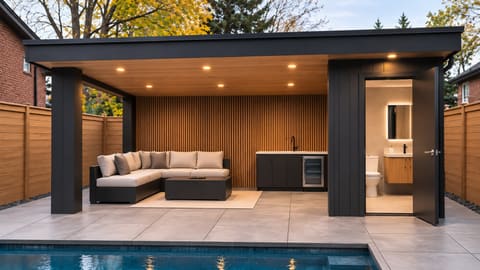
Pool House With a Bathroom: Plumbing, Permits and Layout
Planning a pool house with a bathroom in Toronto? See how plumbing triggers a permit, what zoning allows, and how to lay out the washroom. Read first.
Guide
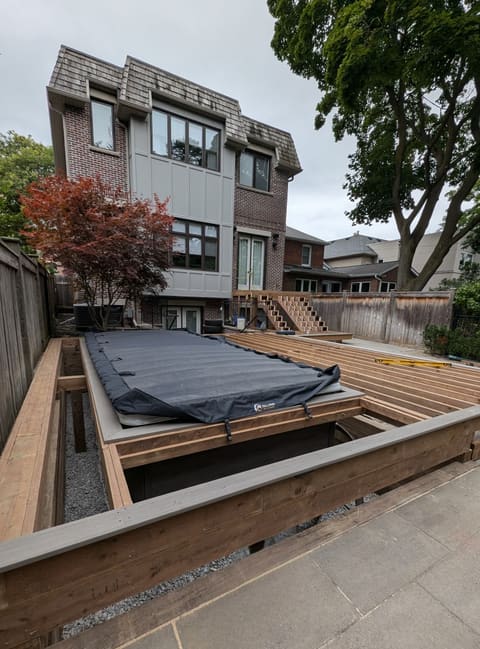
Best Time of Year to Build a Deck or Pool in Ontario
The best time of year to build a pool in Ontario: how winter planning, spring starts, fill rules and booking lead times shape your pool and deck schedule.
Guide
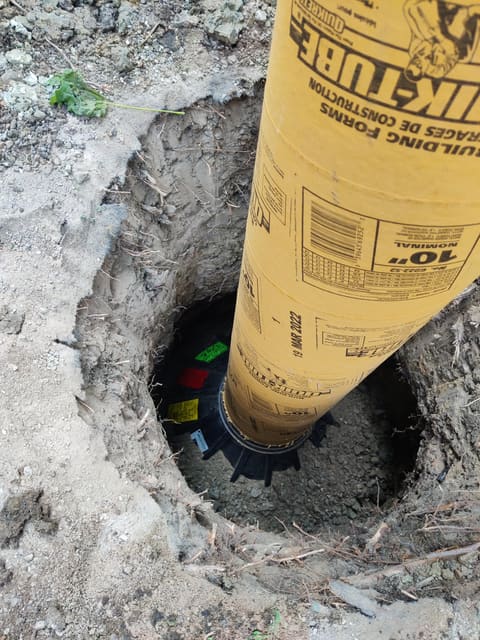
Call Before You Dig in Ontario: Locates for Backyard Projects
Call before you dig in Ontario: how Ontario One Call (Ontario Dig Authority) locates work, what private lines they miss, and how to plan. Read the guide.
Guide
Cabana Ideas for Pools: Layouts for Changing, Storage, Bar and Lounge
Cabana ideas for pools: layouts for changing, storage, a bar and a lounge, plus the planning points that shape a modern pool cabana design.
See also our Pools service.