
Does a Backyard Upgrade Add Value to a Toronto Home?
Backyard renovation ROI in Toronto: what makes an outdoor upgrade add value, which projects tend to pay back in daily use, and the mistakes that cost you.
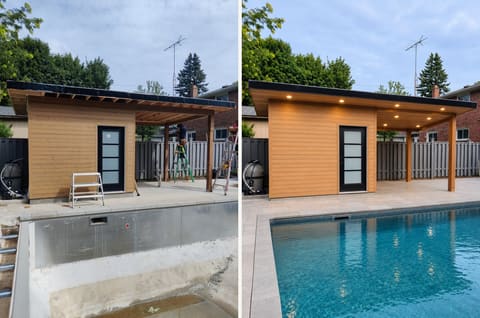
Backyard renovation ROI is a fair question to ask before you spend money on outdoor space, and it is also one that rarely gets an honest answer. Most online figures come from other markets, other years and averaged-out projects, and none of them can tell you what a specific Toronto yard will do for a specific house. This article explains how to think about value, where an outdoor upgrade tends to earn its keep, and what to ask before you commit to a full backyard renovation.
We do not quote a resale percentage here. A number we could not source properly would only give false comfort. What we can do is lay out the factors that decide whether a backyard upgrade adds value, and give you a way to judge your own project.
Backyard renovation ROI: two kinds of return
An outdoor project pays you back in two different ways, and mixing them up is where most disappointment starts.
- Resale value. The effect on what a buyer will pay or how quickly the house sells. It is real but uneven, and it depends on the neighbourhood, the quality of the work and what buyers in that area expect.
- Use value. The hours you and your family spend in the space over the years you live there. For many owners this is the larger return, and it is the one you can actually control.
If you plan to sell within a year or two, resale effects deserve more weight. If you plan to stay, design the yard around how you live and treat any resale benefit as a bonus.
Does landscaping add value to a home?
In general, yes, but with conditions. A well-designed yard improves first impressions, makes the house feel larger and gives buyers a reason to picture themselves living there. The same money spent badly can add little or even put some buyers off. Whether landscaping adds value to a home usually comes down to a handful of things:
- Fit with the house. Materials, colours and lines that echo the architecture look intentional. A mismatched add-on looks like a patch.
- Use of the whole lot. A yard that works as a connected space, with a clear flow from the door to the dining area to the garden, reads as more valuable than a collection of separate features.
- Condition and quality. Level surfaces, tidy drainage, sound structures and clean edges signal a house that has been looked after.
- Low visible risk. Buyers and their inspectors notice sagging decks, heaved paving and pooling water. Fixing problems protects value as much as adding features does.
- Compliance. Work that needs a building permit should have one, and everything should respect the zoning rules for the lot. We come back to this below.
Landscaping return on investment: what tends to hold up
Without per-project data we can describe the pattern we would expect rather than rank projects by percentage. Features that tend to hold their appeal are the ones that expand usable space, last, and suit a wide range of buyers.
Structure and flow before decoration
A level, well-drained, durable base is the least glamorous part of a backyard and the part that protects everything on top of it. Paving that stays flat, steps that are safe and a yard that does not hold water are what keep the space looking good for years. Our guide to backyard drainage in Toronto clay soil explains why this matters.
Outdoor living areas people can use
A deck or patio sized for real furniture, with a clear path to the house, adds usable square footage in the months you can use it. Shade, whether from a pergola or a covered area, extends that season. If you are still deciding between surfaces, see deck vs patio for how the two compare.
Privacy and enclosure
A yard that feels private is one people actually use. Fencing, screening and planting are modest compared with a major build, yet they change how a space feels more than almost anything else.
Lighting and planting
Good lighting makes a yard useable after dark and shows off the work during evening viewings. Planting adds maturity and softens hard surfaces, but only if it is chosen for the site and can be maintained.
Pools and big features
Large features are the hardest to generalize about. They can be a strong draw for some buyers and a drawback for others, and they carry ongoing upkeep. We cover the question separately for pools, so look for our article on whether a pool adds value in Ontario rather than treating this one as the answer.
Best backyard renovation for ROI: how to choose
There is no single best backyard renovation for ROI, but you can test any idea against a few questions.
- Will I use it? If the honest answer is "occasionally", the return is smaller, whatever the resale logic says.
- Does it fix a problem or create a feature? Repairs and structural improvements usually protect value more reliably than decoration.
- Does it suit the house and the street? A very personal design can narrow the pool of buyers.
- Can I maintain it? A feature that looks tired after two summers works against you.
- Is it built to last through freeze-thaw? Toronto winters are hard on shortcuts. Materials and base preparation matter more than finish.
- Is it all one plan? Building in phases is fine, but each phase should belong to a single design so that nothing has to be torn out later.
That last point is where a single design team helps. When design and construction sit together, the layout, grades, drainage and structures are planned as one system. Our article on design-build vs hiring separate contractors covers what that changes in practice.
Mistakes that reduce the return
- Overbuilding for the street. A very elaborate yard behind a modest house may not be valued in proportion to what it cost.
- Skipping the unglamorous work. Drainage, base preparation and footings are invisible when done well and expensive to redo.
- Ignoring approvals. According to the City of Toronto's page on when a building permit is needed, a building permit is required for a deck more than 60 cm (24 in.) above ground, for an accessory structure larger than 10 square metres (107 sq ft) such as a pool house or cabana, and for a retaining wall over one metre (3 ft 3 in.) in height on or adjacent to public property, among other work. The City also says that failing to obtain building permits can result in costly construction delays, legal action or removal of work already completed. Even when a permit is not required, the Zoning Bylaw still applies. Our guide to Toronto's building permit process for backyard projects explains the steps.
- Chasing trends. Trendy finishes date quickly. Timeless materials in a good layout age better, and our look at backyard design trends separates lasting ideas from passing ones.
- Ignoring buried services. Ontario Dig Authority says anyone planting a tree, building a fence or deck, or landscaping must request a public utility locate before they dig, and that private lines such as gas to a barbecue or power to a shed are not part of the public locate process.
How to judge your own project
Before you spend anything, write down three things: why you want the project, how long you expect to stay and what the yard cannot do today. Then ask any builder to show how the proposal answers those, not just how it looks in a drawing. If resale is part of the picture, a local real estate professional can tell you what buyers in your neighbourhood respond to, and that advice is worth more than any national percentage.
When you compare proposals, look for a clear scope, a described base and drainage plan, named materials and a plan for approvals. A proposal that is mostly renderings and a single total leaves you with little to compare.
Frequently asked questions
Does a backyard renovation increase home value in Toronto?
It can, but the effect varies with the neighbourhood, the quality of the work and how well the design suits the house. Well-built, durable, usable outdoor space generally helps. Overbuilt or poorly executed projects help far less. We do not quote a single resale percentage because it would not reflect your property.
What is the best backyard renovation for ROI?
There is no universal answer. Projects that fix drainage or structural issues, add usable and shaded space, and suit the home tend to protect value well. Test each idea by asking whether you will use it, whether it is built to last through winter and whether it fits the house.
Is it better to renovate the backyard before selling?
It depends on the condition of the yard and your timeline. Repairing visible problems and tidying the space can matter more than adding large new features. A local real estate professional can advise on what buyers in your area expect, and any structure that needs a permit should have it in place.
Should I do the whole backyard at once or in phases?
Either can work. Phasing spreads the cost, but only if every phase follows one overall design, so that grades, drainage and structures are planned together. Doing it in phases without a master plan often means work has to be removed or redone later.
Plan the return before you build
If you are considering a backyard upgrade in Toronto or the GTA, we can walk through the site, your goals and how long you plan to stay, then design the yard as one plan. Request a quote to start the conversation.
Sources
- toronto.ca/services-payments/building-construction/building-permit/before-you-ap...
- ontariodigauthority.ca/locates-overview/
This guide is general information, not legal or engineering advice. Rules and fees change; confirm requirements for your property with your municipality.

About the author
Stephan Tosevski
Stephan Tosevski leads Mako Construction. Mako Construction has built high-end outdoor living spaces across Toronto & the GTA since 2016 — decks, cabanas, pergolas, landscaping, pools, outdoor kitchens, and hot tub and swim spa installations. Fully insured, with permit-ready projects and professional site management from consultation to turnover.
Related guides
Guide
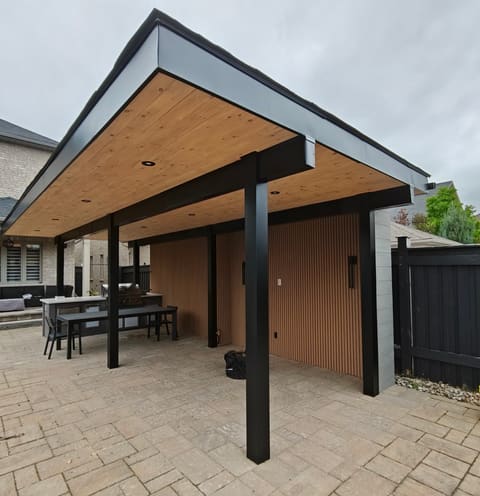
Minor Variances for Backyard Projects in Toronto: The Committee of Adjustment
Minor variance in Toronto explained for backyard projects: when the Committee of Adjustment gets involved, the four tests and the steps. Read the guide.
Guide
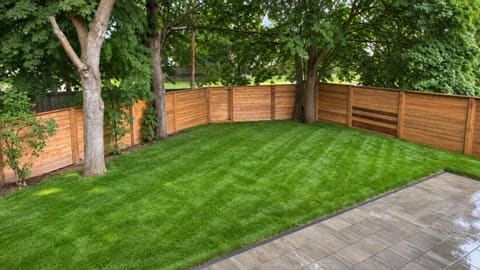
Toronto Building Permit Process for Backyard Projects: Steps, Timelines and Inspections
The Toronto building permit process for backyard projects: when a permit is needed, review times and inspections, per the City. Know the steps first.
Guide
Design-Build vs General Contractor: Which Is Right for Your Toronto Backyard?
Design build vs general contractor for a Toronto backyard: how each model works, where they differ, and questions to ask before you hire. See which fits.
Guide
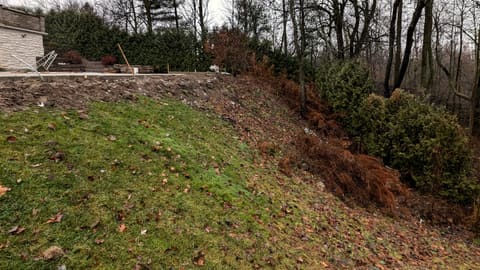
Backyard Drainage Solutions for Toronto Clay Soil
Backyard drainage solutions for Toronto clay soil: grading, downspouts, French drains, swales and rain gardens, plus City rules to check. See what works.
See also our Full Backyard Renovations service.